
EN
Update:Aug 18,2026
By:SEMBO
An OEM mobility scooter project becomes easier to manage when each stage answers a specific question. What does the target user need? Which product details are fixed? What still needs testing? How will the approved sample be transferred into repeatable production? A practical workflow turns these questions into a series of decisions instead of trying to solve everything at once.
The first step is to describe the intended product and market in usable terms. This may include the preferred folded size, seating arrangement, target load range, battery format, control layout, colors, accessories, packaging and labeling requirements. Reference products and sketches can help, but written priorities are equally important.
Not every request has the same importance. Separating essential requirements from optional ideas helps the supplier focus engineering time and explain trade-offs more clearly.
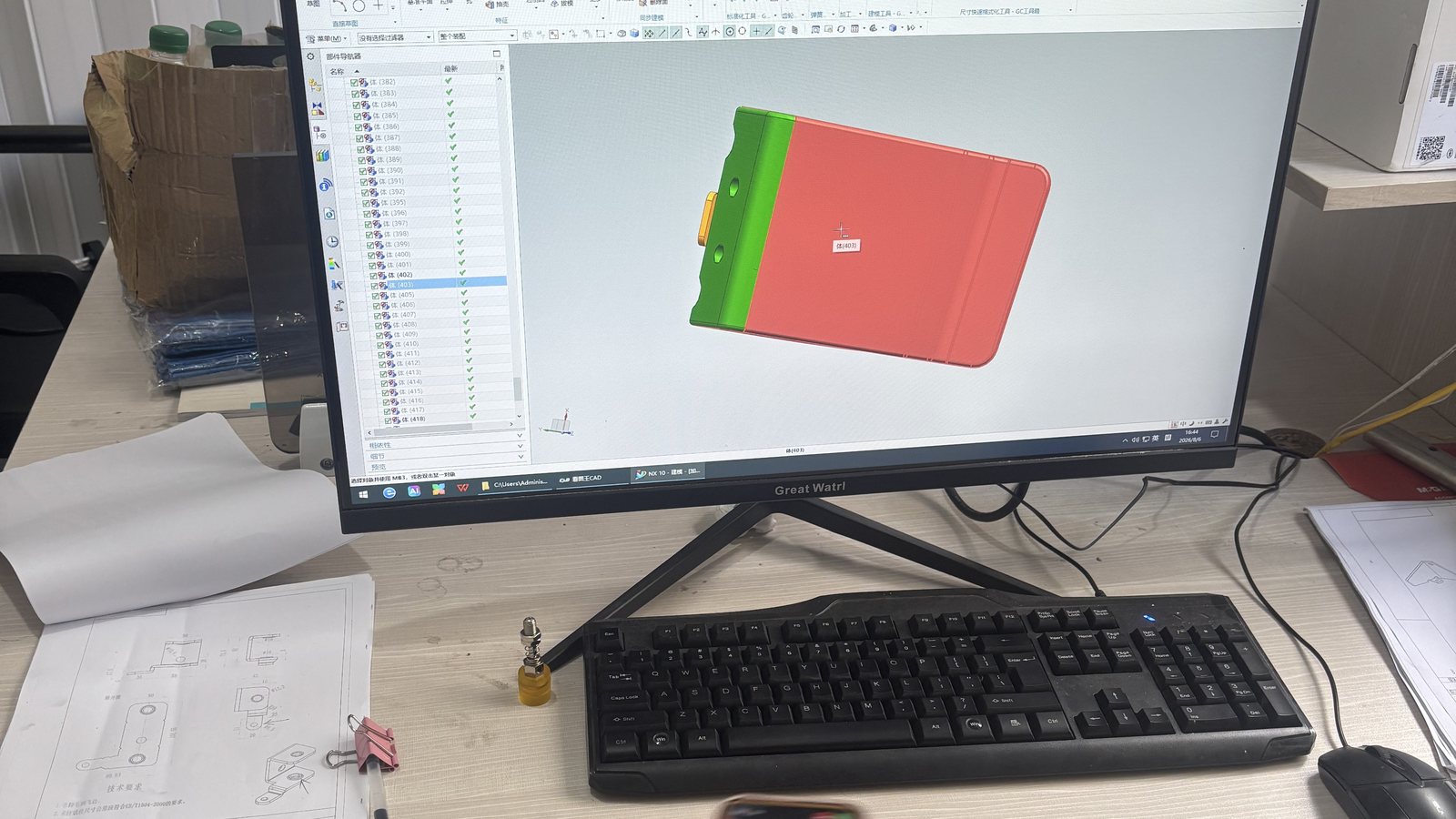
Mobility scooter design is a combination of user experience, structure and manufacturability. A change to the exterior may affect mounting points, cable routing, folding clearance or tooling. For that reason, appearance discussions should be connected to drawings, dimensions and the internal layout rather than treated as a separate styling exercise.
At this stage, both sides can confirm which existing platform is suitable, which parts need adjustment and which details may require a new mold or fixture.
A sample gives the project team something concrete to review. The evaluation should cover more than color and shape. Folding steps, seating position, steering feel, control reach, component fit, wiring arrangement and packaging size may all need attention.
Feedback is easier to implement when it is specific. Numbered photographs, marked drawings and a single consolidated comment list reduce confusion and create a clearer record of the agreed changes.
After the sample direction is stable, tooling and process details can be finalized. Depending on the project, this may involve plastic molds, welding fixtures, bending tools, surface-finish samples or customer-specific labels. Materials, colors and critical dimensions should be connected to the approved specification.
Lead time should be discussed with these real tasks in mind. A realistic schedule is more useful than a fast promise that does not account for sample review or tooling adjustments.
A pilot or small initial run helps confirm that the approved design can move through assembly and inspection consistently. It is an opportunity to review work instructions, part fit, function checks, packaging steps and any customer-specific content before a larger batch begins.
If an issue appears, the team can identify whether it comes from a part, a process or an unclear specification. Correcting the source is more effective than relying only on final inspection.
Production checks should follow the agreed model specification. Common areas include wiring and connections, steering and braking response, frame-related points, lights and controls, appearance, accessories and packaging. OEM labels, manuals and cartons should be verified as part of the same order rather than added as an afterthought.
Successful OEM work depends on timely decisions. A short status update with photographs, open questions and the next required approval is often more useful than a long report. Both sides should know which version of the drawing or sample is current and who is responsible for the next action.
A good OEM workflow is not about making the process sound complex. It is about keeping product requirements, samples, production and delivery connected. When each stage has a clear output, buyers can make decisions with better visibility and manufacturers can prepare the next step with fewer assumptions.
 About SEMBO
Yongkang Sembo Industry & Trade Co., Ltd. is a China-based manufacturer focused on lightweight folding electric mobility scooters.
No. 388, Kechuang Road, Yongkang, Jinhua, Zhejiang, China
(86)-15088235758

